

Portland, Oregon, renowned for its lush landscapes and progressive environmental policies, is actively addressing the multifaceted challenges posed by climate change. The city is experiencing tangible impacts, including extended allergy seasons and diminished snowpacks, prompting both community-driven initiatives and municipal strategies to enhance climate resilience.
Environmental Challenges
Extended Allergy Seasons
Recent analyses indicate that Portland’s freeze-free growing season has lengthened by approximately 30 days since 1970. This extension allows plants more time to grow and release pollen, leading to prolonged allergy seasons for residents. The increase is attributed to rising temperatures associated with climate change.
Declining Snowpacks
Oregon is witnessing near-record low snowpacks, with current levels at just 30% of normal. The winter period from November through February tied with 1934 as the warmest on record in the state. This reduction in snowpack is concerning, as it serves as a critical water reservoir, gradually releasing water into warmer months.
Community Initiatives
Portland Clean Energy Community Benefits Fund (PCEF)
In December 2024, the Portland City Council approved $300 million for eight large-scale initiatives under the PCEF. These projects aim to reduce carbon emissions, improve infrastructure, and create local economic opportunities in energy efficiency, construction, and renewable energy. The PCEF represents a significant investment in community-led climate action.
Community Solar Projects
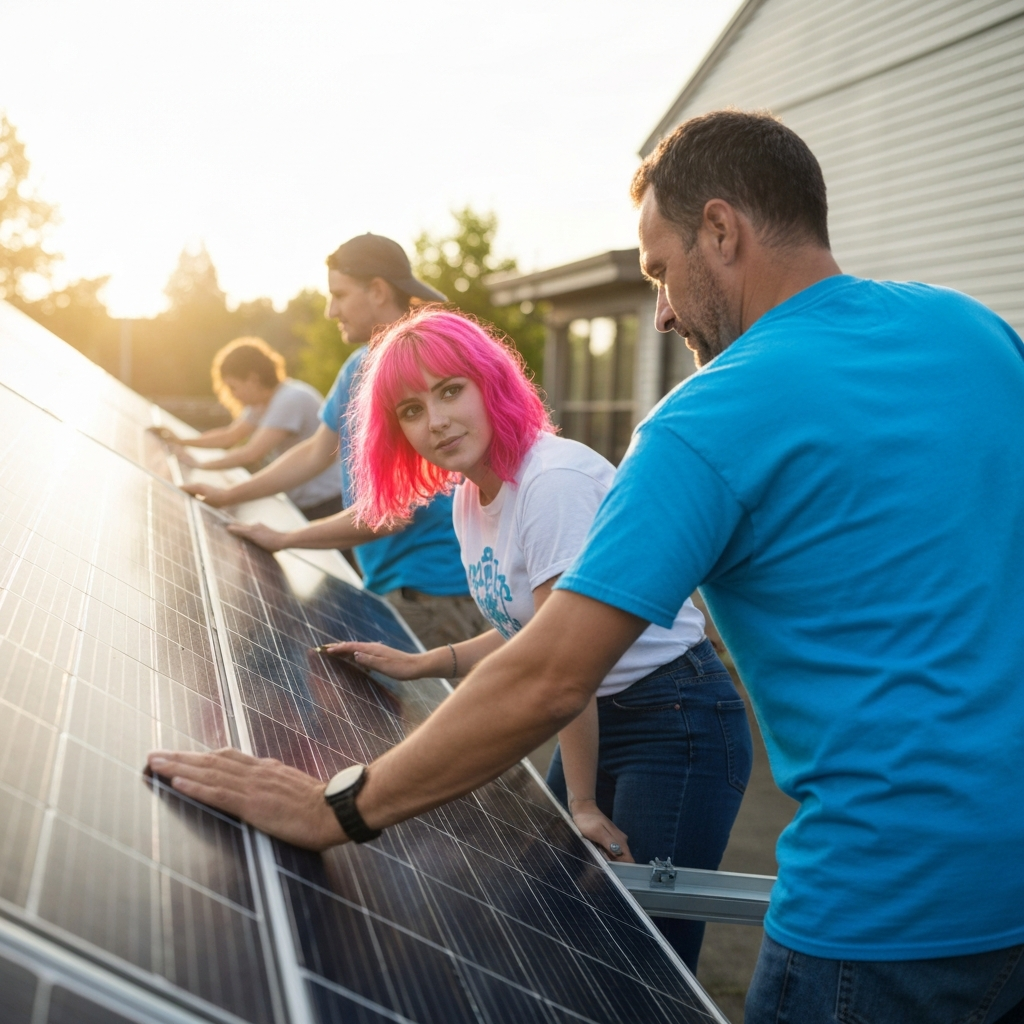
The PDX Community Solar project in Portland’s Cully neighborhood, operational since late 2025, delivers power to 150 low-income households. This 1-megawatt installation includes approximately 2,200 solar panels and is part of Oregon’s broader renewable energy goals. Such projects provide the benefits of solar energy to residents who may not have the resources or roof space to install panels themselves.
Depave Initiatives
Organizations like Depave collaborate with communities to remove unnecessary pavement, transforming areas into vibrant green spaces. These efforts address environmental issues such as urban heat islands and stormwater runoff, enhancing urban resilience and beauty.
Municipal Strategies
Climate Policy and Programs
The Bureau of Planning and Sustainability’s Climate Policy and Programs team focuses on a just and equitable transition to a clean, emissions-free economy. Their work includes developing policies, running programs, and conducting research to rapidly decarbonize Portland while ensuring that communities most impacted by the climate crisis have power in the policy process.
Environmental Grants and Incentives
Portland offers several grants and incentives to support actions that benefit watershed health and the environment. Programs like Clean River Rewards and Treebate encourage residents to participate in environmental stewardship, contributing to the city’s overall climate resilience.
Portland’s proactive approach, combining community engagement with strategic municipal planning, exemplifies a comprehensive response to the challenges posed by climate change. Through continued collaboration and innovation, the city aims to enhance its resilience and sustainability for future generations.