

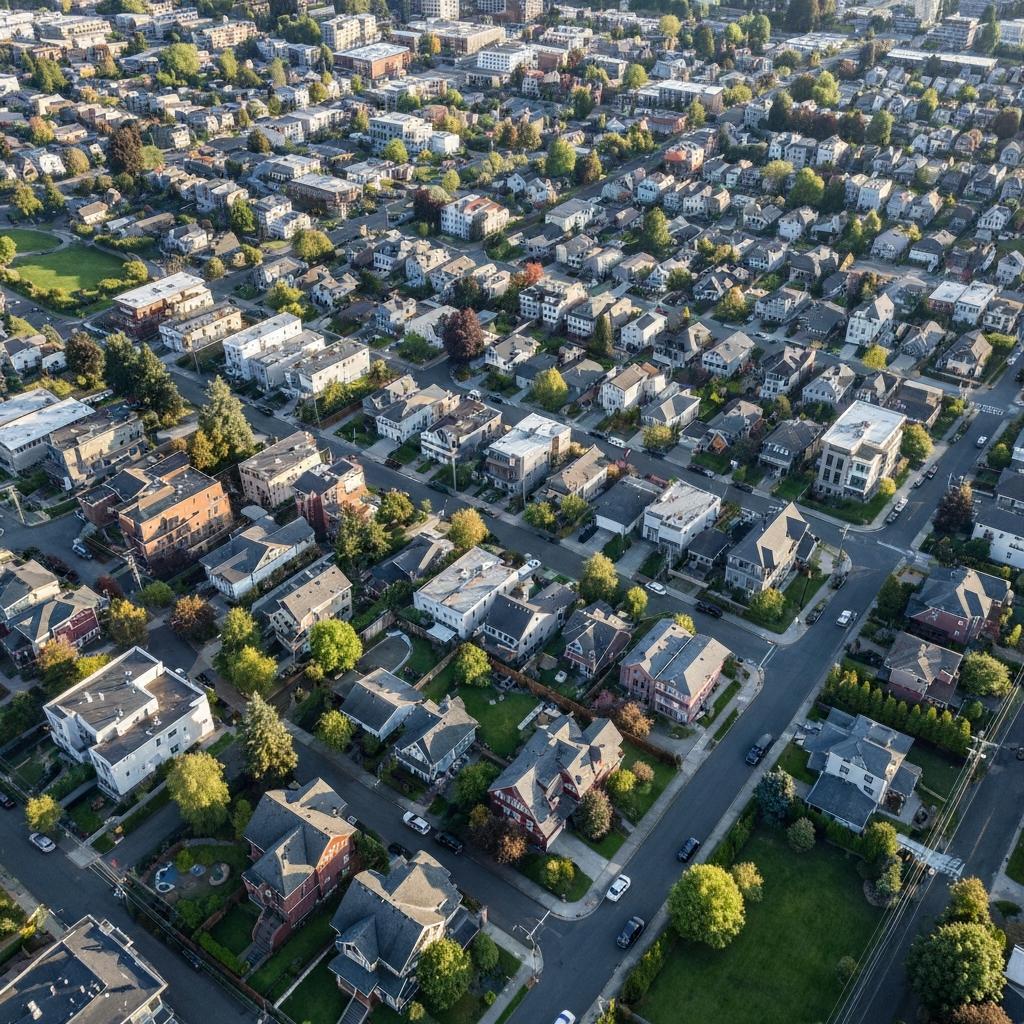
Portland is grappling with a significant housing affordability crisis, as nearly 90% of homes in the metro area are deemed unaffordable for typical middle-income households earning around $95,000 annually. This rate surpasses the national average of 75%, highlighting a critical regional issue. The crisis is driven by persistently high home prices, elevated mortgage rates, and a significant shortage of available housing. In response, Oregon Governor Tina Kotek set a target in 2023 to construct 36,000 new homes annually, focusing on the Portland and Willamette Valley regions where the housing crunch is most acute. Despite these efforts, the lack of sufficient new construction continues to contribute heavily to the affordability gap, making homeownership increasingly elusive for middle-income earners in the area.
Community members have expressed growing concerns over the city’s affordability. A May 2025 survey by the Oregon Values and Beliefs Center found that nearly 70% of Portland residents were dissatisfied with the cost of living, identifying it as a primary concern. While the city received high marks for its parks, natural areas, and arts scene, the escalating housing costs have overshadowed these positives.
Addressing this crisis requires a multifaceted approach, including accelerating the construction of affordable housing, implementing policies to stabilize housing costs, and ensuring that new developments are accessible to middle-income families. Community engagement and collaboration between government agencies, developers, and residents are essential to create sustainable solutions that preserve Portland’s unique character while making it a more affordable place to live.