

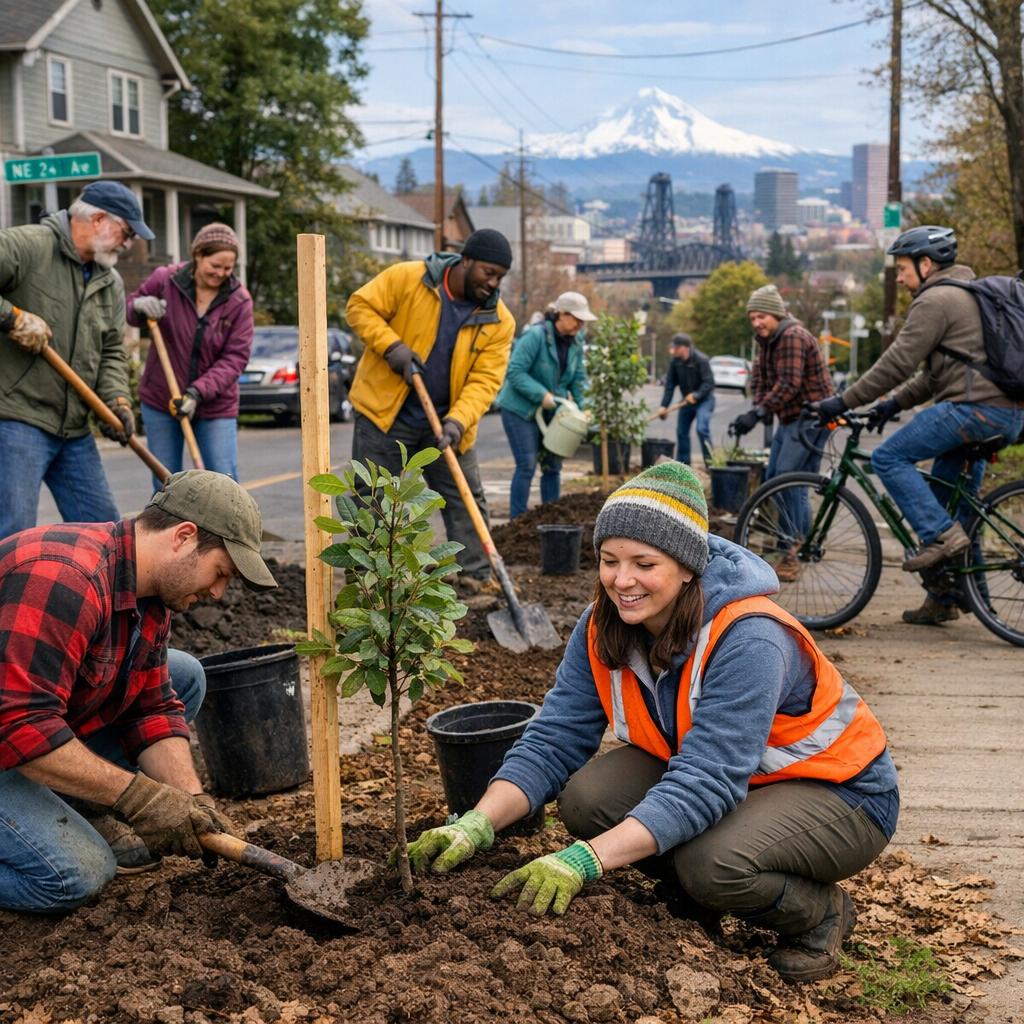
Portland, Oregon, renowned for its lush landscapes and environmental consciousness, is actively confronting the multifaceted challenges posed by climate change. The city is witnessing tangible shifts in its climate patterns, including prolonged allergy seasons, diminished snowpacks, and intensified heatwaves. These changes underscore the urgency for both community-driven initiatives and strategic environmental planning.
Extended Allergy Seasons
Recent analyses indicate that Portland’s freeze-free growing season has expanded by approximately 30 days since 1970. This extension allows plants more time to release pollen, leading to longer and more severe allergy seasons for residents. The prolonged exposure to allergens can exacerbate respiratory issues and diminish quality of life, highlighting the need for adaptive health strategies and urban planning that considers these evolving patterns.
Declining Snowpacks
Oregon is experiencing near-record low snowpacks, with current levels at just 30% of normal. The period from November through February tied with 1934 as the warmest on record in the state. Snowpacks serve as natural reservoirs, gradually releasing water during warmer months. Their decline poses significant risks to water availability, agriculture, and hydroelectric power generation, necessitating proactive water management and conservation efforts.
Increasing Heatwaves
Portland has seen a rise in extreme heat streaks, with the number of such events increasing by about two per year compared to 1970. These heatwaves pose health risks, particularly to vulnerable populations, and strain infrastructure. The growing intensity and frequency of extreme heat events emphasize the need for urban cooling strategies, such as expanding green spaces and implementing heat-resilient building designs.
Community-Led Environmental Initiatives
In response to these challenges, Portland’s community organizations are spearheading initiatives to enhance environmental resilience:
Depave
Depave is a nonprofit organization based in Portland that collaborates with communities to remove unnecessary pavement and transform those areas into vibrant greenspaces. By reducing impervious surfaces, Depave helps mitigate urban heat islands, improve stormwater management, and reconnect residents with nature.
Master Recycler Program
The Master Recycler Program engages volunteers in promoting sustainable consumption, climate protection, and waste reduction. Participants undergo comprehensive training and commit to community outreach, fostering a culture of environmental stewardship across the Portland metro region.
SOLVE
SOLVE is an environmental nonprofit that mobilizes thousands of volunteers across Oregon and Southwest Washington to clean and restore neighborhoods and natural areas. Their efforts enhance waterways, reduce litter, and promote community pride in environmental care.
Environmental Restoration Efforts
Significant restoration projects are underway to rejuvenate Portland’s natural habitats:
Columbia Slough Revitalization
The Columbia Slough in Northeast Portland, once heavily polluted, is undergoing a major restoration. Spearheaded by the Columbia Slough Watershed Council, the project has transformed a 16-acre area into a thriving natural space within an industrial zone. This initiative supports natural processes in urban environments and plans are in place to revitalize more sections of the Slough.
Hayden Island Conservation
Oregon state officials have proposed selling 65 acres of Hayden Island to the Oregon Department of Transportation to establish a conservation area. This move aims to mitigate environmental impacts associated with the new I-5 bridge project and protect vital habitats for salmon, steelhead, and over 120 bird species in the North Portland Harbor.
Looking Ahead
Portland’s proactive approach to environmental challenges exemplifies the city’s commitment to sustainability and community engagement. By addressing climate-induced changes through innovative projects and fostering a culture of environmental responsibility, Portland continues to pave the way toward a resilient and sustainable future.