

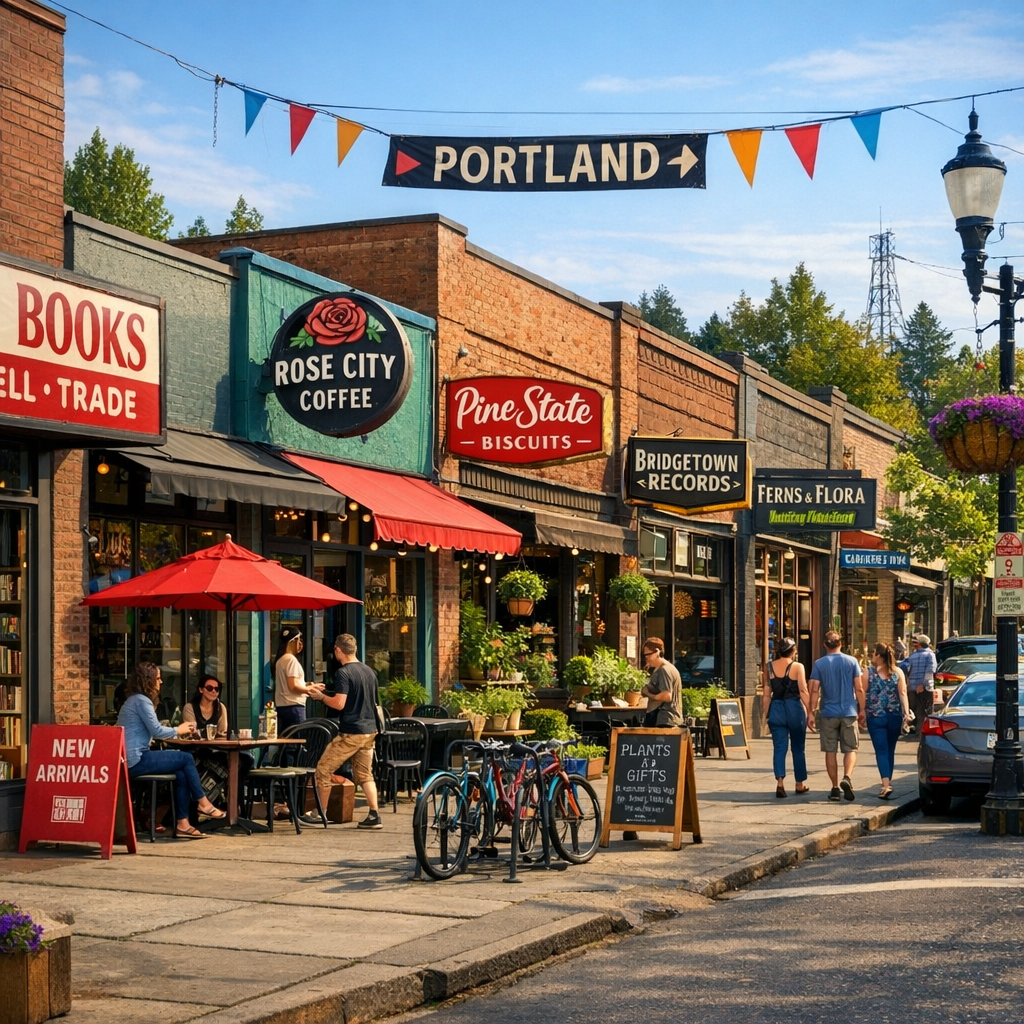
Portland’s small business landscape is experiencing a dynamic transformation, with entrepreneurs embracing innovative models and community-driven approaches to navigate economic shifts.
Embracing Micro-Retail and Collective Spaces
In neighborhoods like the Central Eastside and the Lloyd District, large commercial spaces are being subdivided into smaller, more manageable “micro-retail” units. This trend allows first-time entrepreneurs to enter the market with lower overhead costs while offering consumers diverse, high-density shopping experiences. According to Prosper Portland, these collective retail models have a 30% higher tenant retention rate compared to traditional stand-alone leases.
Success Stories: Local Businesses Leading the Way
Several Portland-based businesses exemplify the resilience and adaptability of the local entrepreneurial spirit:
The Joinery
Founded in 1982, The Joinery is renowned for its handcrafted, sustainably made furniture. By partnering with the Oregon Manufacturing Extension Partnership (OMEP), they improved efficiency and reduced custom furniture response times from over two weeks to just three days, positioning themselves to meet rising demand while staying true to their mission of quality craftsmanship and environmental responsibility.
Fresh n’ Local Foods
Starting as a senior capstone project, Fresh n’ Local Foods has grown into a multi-million dollar company with a 40% year-over-year growth rate. Their success underscores the potential for innovative food products in Portland’s vibrant culinary scene.
Rock Dojo
Rock Dojo, a music education business, overcame initial financial challenges by seeking guidance from SCORE Portland mentors. This support enabled them to develop a sustainable business model, highlighting the importance of mentorship and community resources for small business success.
Community Support and Economic Incentives
The city has implemented various initiatives to support small businesses, including activation grants and streamlined permitting processes. These efforts have contributed to a 4.2% increase in new business license applications compared to the same period in the previous year. Additionally, the expansion of the Small Business Stabilization Fund aims to prevent displacement due to rising rents, ensuring that entrepreneurs can continue to thrive in their communities.
Looking Ahead
As Portland’s small businesses continue to adapt to economic shifts, their success will depend on flexibility, innovation, and community engagement. The ongoing evolution toward micro-retail spaces, collective markets, and supportive city policies positions Portland as a nurturing environment for entrepreneurs and a vibrant hub for consumers seeking unique, locally crafted products.