

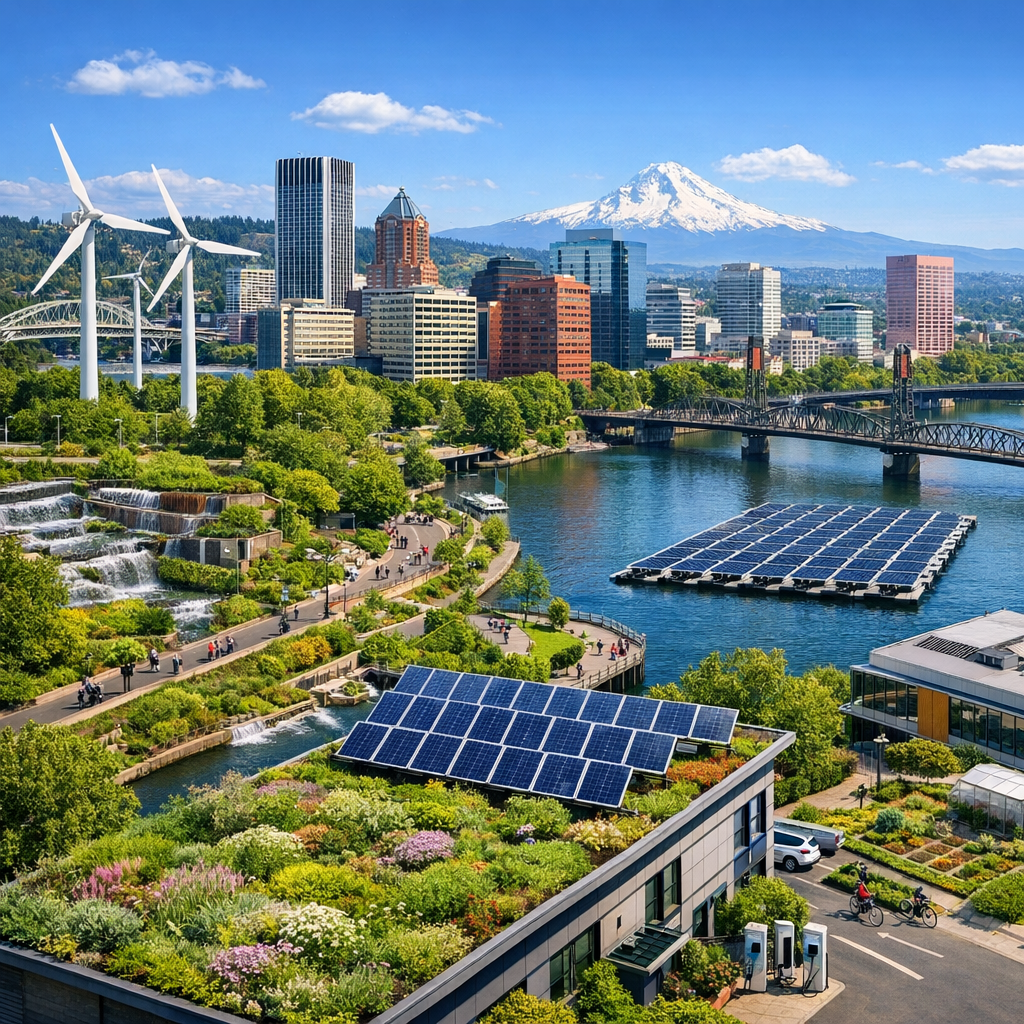
As climate change continues to impact regions worldwide, Portland is proactively implementing strategies to adapt to these changes and ensure a sustainable future for its residents.
Understanding the Impact
Portland has experienced notable climate shifts, including warmer temperatures, altered precipitation patterns, and more frequent extreme weather events. These changes have led to longer allergy seasons, reduced snowpack levels, and increased occurrences of heatwaves.
Water System Resilience
The Portland Water Bureau is taking significant steps to ensure the city’s water system remains robust amidst climate challenges. Key initiatives include:
- Investing in Infrastructure: Upgrading and maintaining water infrastructure to withstand extreme weather events and changing climate conditions.
- Reducing Greenhouse Gas Emissions: Implementing strategies to cut emissions by half by 2030 and achieve net-zero emissions by 2050.
- Enhancing Renewable Energy Use: Increasing the use of renewable energy sources within the water system to reduce reliance on fossil fuels.
Community Engagement and Equity
Ensuring that climate adaptation efforts are equitable is a priority. The city is focusing on:
- Inclusive Planning: Engaging diverse communities in the planning process to address the unique needs of vulnerable populations.
- Promoting Green Infrastructure: Expanding green spaces and tree canopies to mitigate urban heat islands and improve air quality.
Looking Ahead
Portland’s commitment to climate resilience involves continuous assessment and adaptation. By integrating climate considerations into all aspects of city planning and operations, Portland aims to create a resilient and sustainable environment for all its residents.