

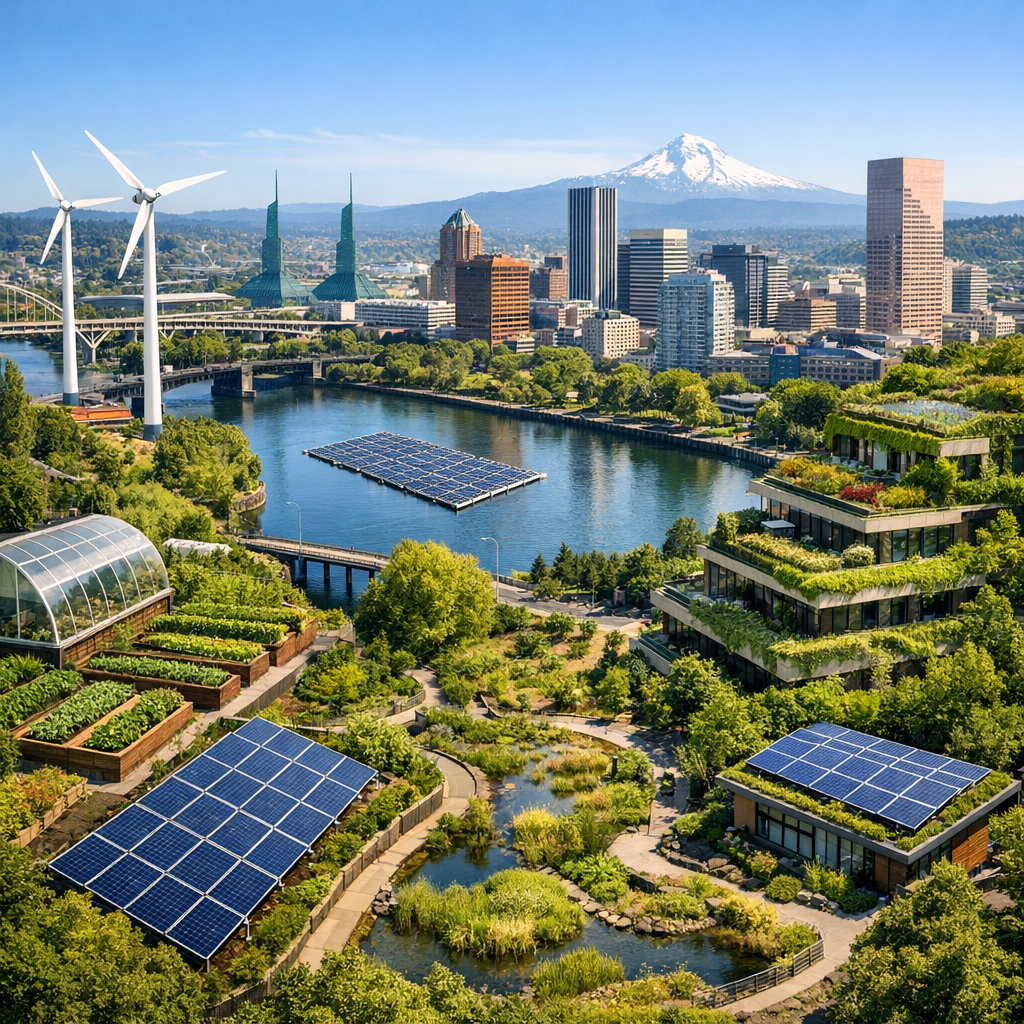
As Portland experiences the impacts of climate change, including warmer temperatures and altered precipitation patterns, the city is proactively implementing strategies to adapt and build resilience.
Ensuring a Resilient Water Supply
The Portland Water Bureau is investing in infrastructure to maintain a robust water system. This includes preparing for climate risks such as increased heat, floods, storms, and wildfires. Efforts are also underway to reduce greenhouse gas emissions and generate clean energy through renewable projects. A key goal is to achieve net-zero greenhouse gas emissions by 2050. Learn more about the Water Bureau’s climate action initiatives.
Addressing Urban Heat Islands
Over 70% of Portland residents are affected by urban heat islands, where temperatures can feel at least 8°F higher than surrounding areas. This phenomenon is due to infrastructure like roads and buildings trapping heat, combined with a lack of green spaces. Solutions being considered include increasing green spaces, using reflective materials on infrastructure, and opening cooling centers. Read more about urban heat islands in Portland.
Protecting Vulnerable Communities
Climate change disproportionately affects vulnerable populations. The Oregon Health Authority emphasizes the importance of incorporating climate change considerations into public health planning to protect these communities. This includes promoting adaptation strategies that minimize risk and maximize the potential to thrive in a changing climate. Explore climate adaptation resources.
By implementing these strategies, Portland aims to navigate the challenges posed by climate change and ensure a sustainable future for all residents.