

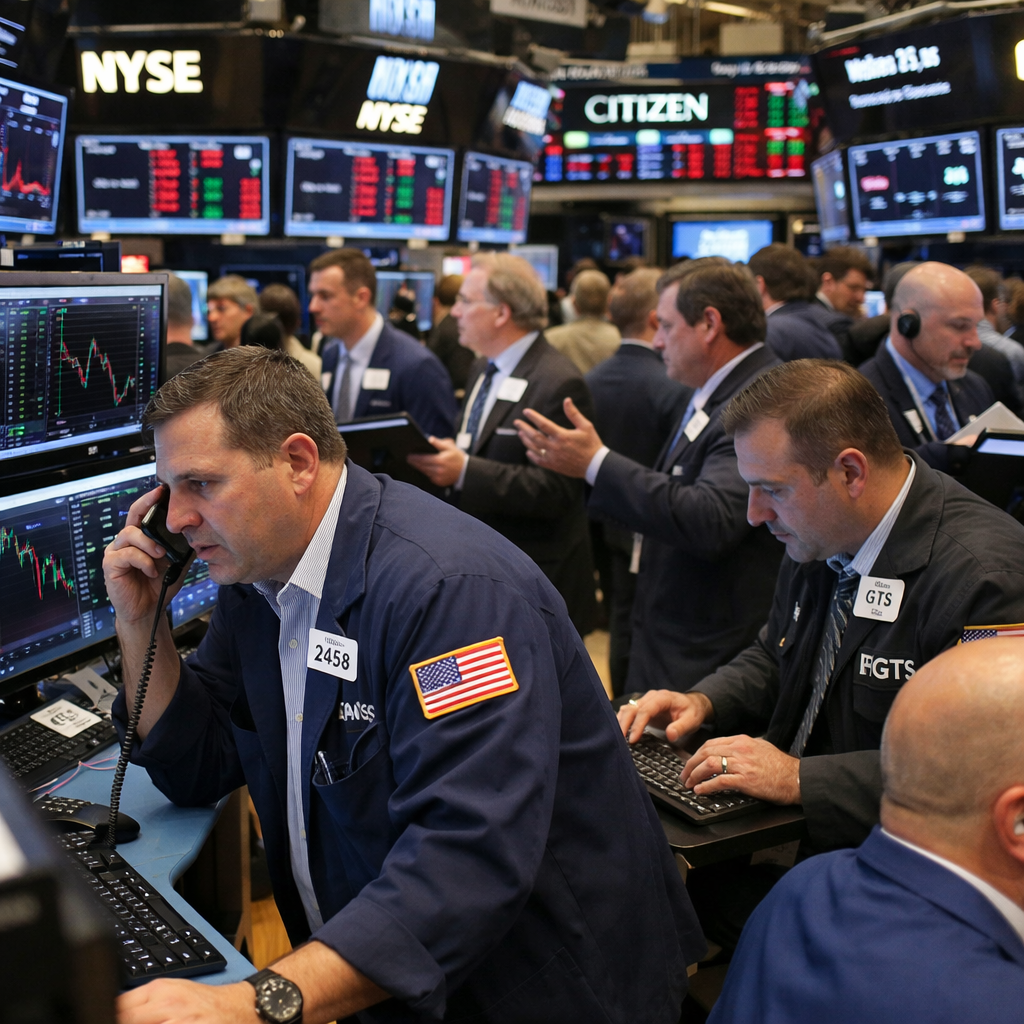
The United States economy is currently navigating a complex landscape marked by global uncertainties and domestic challenges. Recent data indicates a slowdown in job growth, with the unemployment rate holding steady at 4.2% as of April 2025. This stability masks underlying concerns about the resilience of the labor market in the face of evolving trade policies and international tensions.
Inflation has also become a focal point, with consumer prices rising by 2.6% over the year ending in June 2025. This uptick is attributed to various factors, including supply chain disruptions and increased tariffs on imported goods. The Federal Reserve faces the delicate task of balancing interest rates to curb inflation without stifling economic growth.
On the global stage, geopolitical events have further complicated the economic outlook. The ongoing conflict in the Middle East has led to disruptions in energy markets, contributing to higher fuel prices and increased production costs across various industries. Additionally, trade tensions with key partners have introduced volatility in financial markets, affecting investor confidence and capital flows.
In response to these challenges, policymakers are exploring strategies to bolster economic resilience. Emphasis is being placed on investing in infrastructure, fostering innovation, and enhancing workforce development to adapt to the rapidly changing economic environment. Collaborative efforts between the public and private sectors are deemed essential to navigate the uncertainties and position the U.S. economy for sustainable growth.
As we move forward, it is crucial for stakeholders at all levels to stay informed and engaged. Understanding the interplay between domestic policies and global events will be key to making informed decisions that support economic stability and prosperity.