

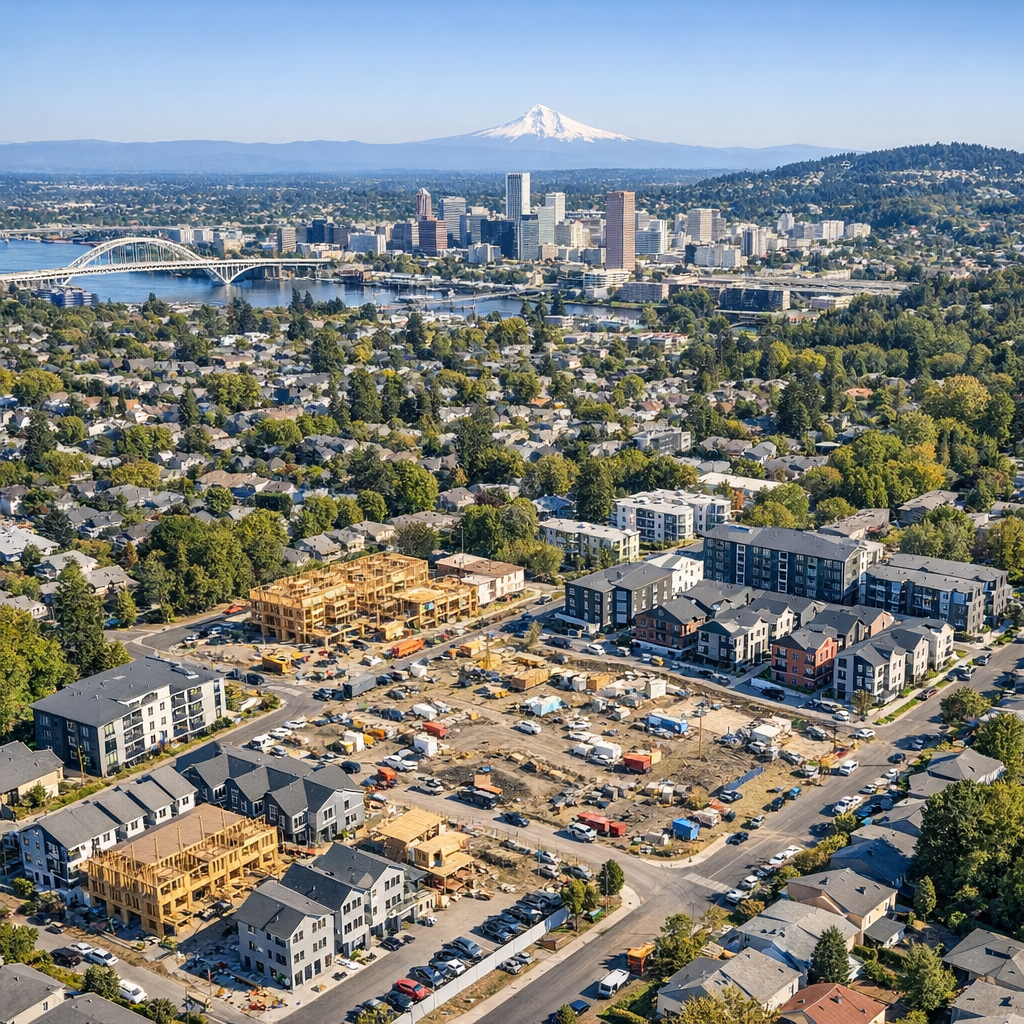
Portland’s housing market is undergoing significant transformations, influenced by various economic factors and development initiatives. Understanding these changes is crucial for residents and prospective homeowners alike.
Current Market Trends
As of early 2026, the median sale price for homes in Portland stands at approximately $524,000, reflecting a 4.8% increase from the previous year. Homes typically receive multiple offers and sell within 19 days, indicating a highly competitive market. Despite this, the average time homeowners remain in their properties has extended to nearly 11 years, the longest duration since 2000. This trend is largely attributed to homeowners holding onto favorable mortgage rates amid rising property values and limited inventory.
Rental Market Dynamics
The rental sector has experienced a slight decline, with median rents dropping by 1.8% year-over-year to around $1,600 per month. However, affordability remains a concern, as renting continues to be more economical than homeownership. The monthly cost of owning a mortgaged home has risen to over $2,490, making renting a more viable option for many residents.
Development Initiatives
To address housing shortages and affordability issues, several development projects are underway:
Lents 92H
Located along SE 92nd Avenue, Lents 92H is a two-phase housing development comprising 219 residential units. The project emphasizes pedestrian-friendly design and includes a mix of studios to three-bedroom apartments, aiming to support neighborhood growth through diverse housing options.
Albina One Affordable Housing
As part of the Albina Vision Community Investment Plan, Albina One will offer 94 affordable family units. The design incorporates communal spaces and features murals by local BIPOC artists, reflecting the cultural heritage of the area.
Mass Timber and Housing Innovation Campus
The Port of Portland is transforming a historical marine terminal into the Mass Timber and Housing Innovation Campus. This 39-acre site will include a mass timber modular manufacturing facility aimed at producing affordable housing and other structures, alongside workforce training and business incubator spaces.
Policy and Future Outlook
Portland has been recognized for promoting “middle housing”—including duplexes, fourplexes, and accessory dwelling units—to alleviate the housing crunch. Since the adoption of the Residential Infill Project in 2021, approximately 23% of new homes have been classified as middle housing. Despite these efforts, overall housing construction has seen a decline due to economic challenges such as high interest rates and inflation.
In response to the affordability crisis, Oregon’s leadership has set ambitious targets for new housing construction, focusing on increasing the supply to meet demand. The success of these initiatives will be pivotal in shaping Portland’s housing landscape in the coming years.
Staying informed about these developments is essential for navigating Portland’s evolving housing market, whether you’re considering renting, buying, or investing in the city’s future.