

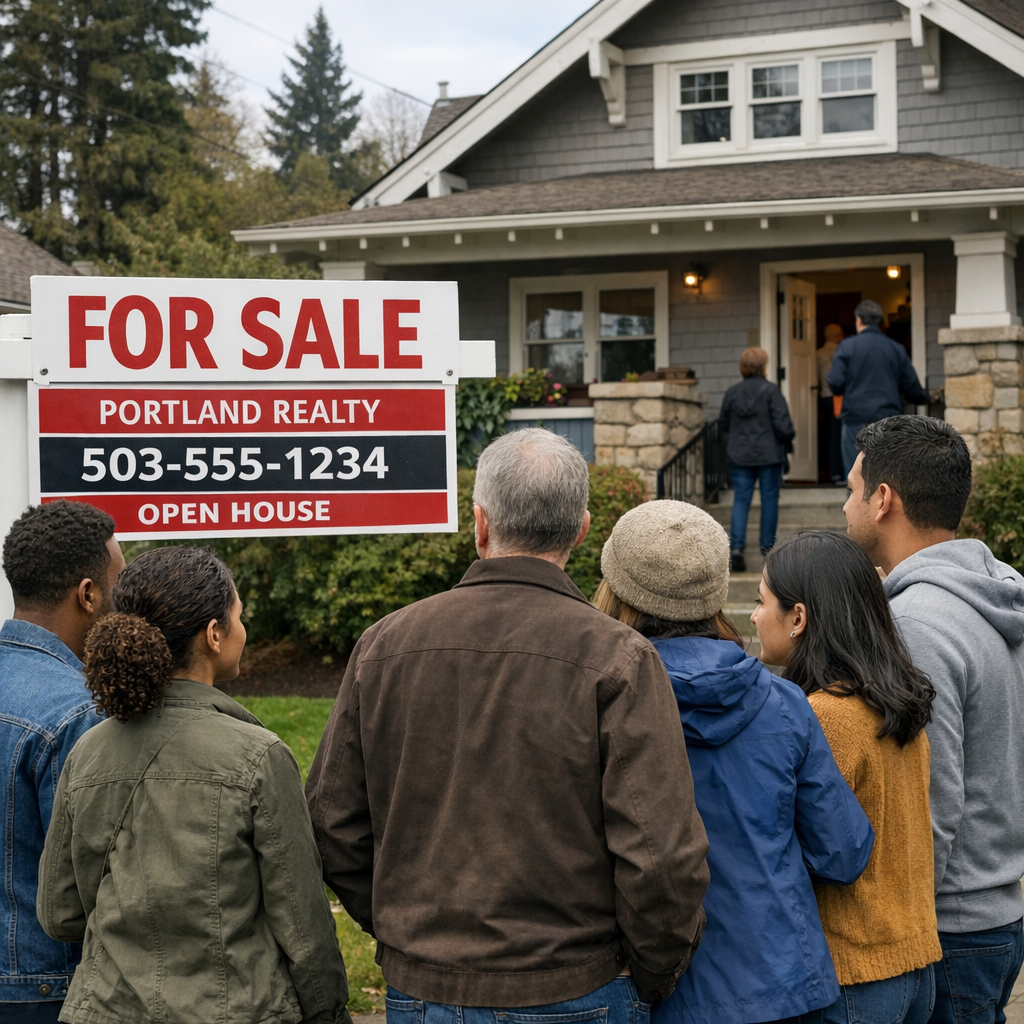
Portland’s housing market is undergoing significant transformations, impacting both prospective homeowners and renters. Understanding these shifts is crucial for making informed decisions in this dynamic environment.
Current Housing Market Trends
As of April 2026, the average home value in Portland stands at $538,687, reflecting a slight decrease of 0.9% over the past year. Homes typically go pending in around 10 days, indicating a competitive market. The median sale price is $508,633, with a median list price of $508,300. Notably, 34.5% of sales have been closing above the list price, underscoring strong demand. Source
Rental Market Dynamics
The rental landscape in Portland presents a mixed picture. The average rent is approximately $1,520 per month, marking a 0.9% decrease from the previous year. Studio apartments average $1,251, one-bedroom units $1,520, and two-bedroom units $1,813. Despite these declines, housing affordability remains a challenge for many residents. Source
Interestingly, renting continues to be more affordable than homeownership in Portland. The median monthly rent is around $1,770, whereas the cost of owning a mortgaged home exceeds $2,490 per month. This significant disparity highlights the financial challenges associated with purchasing a home in the current market. Source
Development and Housing Initiatives
To address the housing shortage, Portland has been promoting “middle housing”—including duplexes, fourplexes, accessory dwelling units, and cottage clusters. Since the adoption of the Residential Infill Project in 2021, approximately 23% of new homes (about 4,067 units) have been classified as middle housing. However, recent data indicates a sharp decline in overall housing construction, attributed to economic challenges such as high interest rates and inflation. Despite this slowdown, local realtors report ongoing demand for middle housing. Source
Affordability Challenges
Portland is facing a severe housing affordability crisis, with nearly 90% of homes in the metro area deemed unaffordable for typical middle-income households earning around $95,000 annually. This rate of unaffordability surpasses the national average of 75%, highlighting a critical regional issue. The crisis is driven by persistently high home prices, elevated mortgage rates, and a significant shortage of available housing. Source
In response, Oregon Governor Tina Kotek set a target in 2023 to construct 36,000 new homes annually, focusing on the Portland and Willamette Valley regions where the housing crunch is most acute. Despite these efforts, the lack of sufficient new construction continues to contribute heavily to the affordability gap, making homeownership increasingly elusive for middle-income earners in the area.
Conclusion
Portland’s housing market is characterized by competitive home sales, a rental market that remains more affordable than ownership, and ongoing efforts to increase housing supply through middle housing initiatives. However, affordability challenges persist, necessitating continued attention and innovative solutions to ensure accessible housing for all residents.