

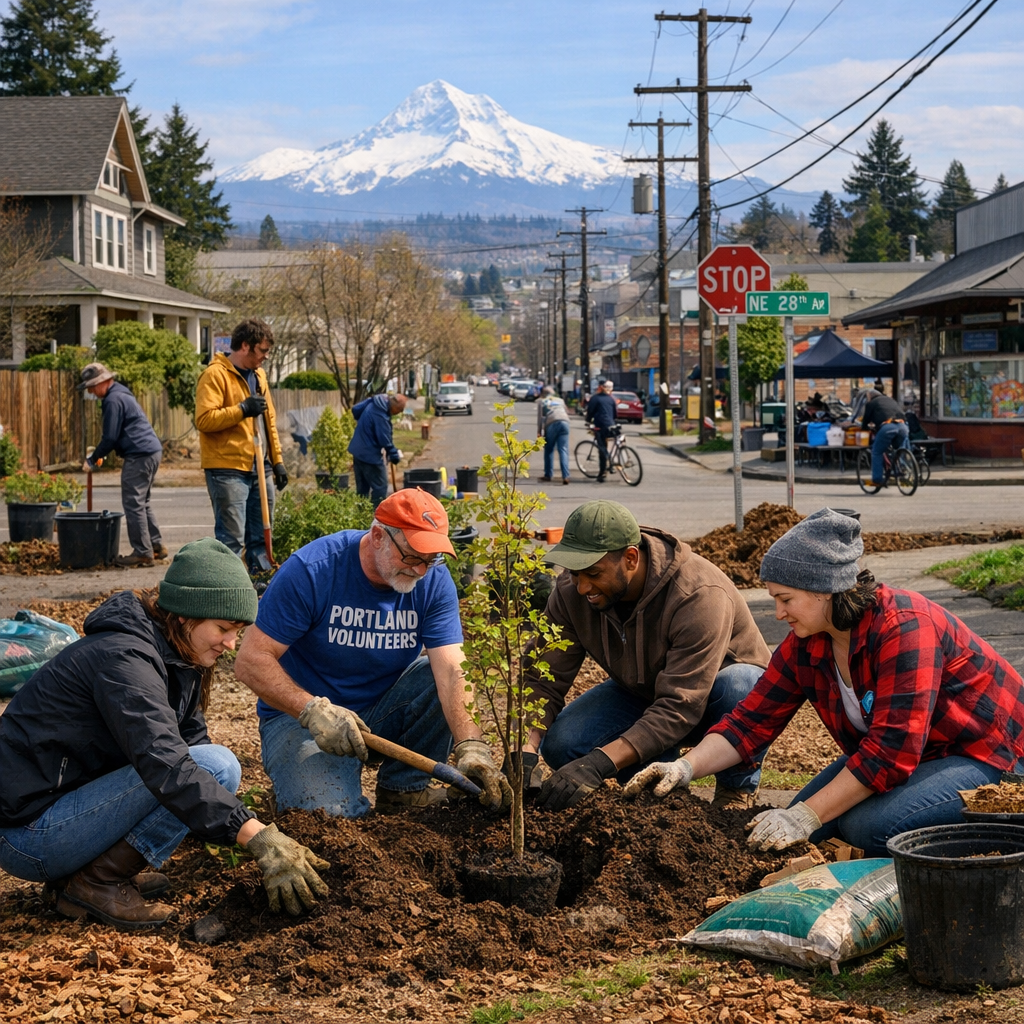
Portland, Oregon, renowned for its lush landscapes and environmental consciousness, is actively addressing the multifaceted challenges posed by climate change. The city is witnessing tangible shifts in its climate patterns, prompting both community-driven initiatives and municipal strategies to enhance resilience and sustainability.
Climate Change Impacts in Portland
Recent analyses indicate significant climatic changes in the Portland area. The freeze-free growing season has extended by approximately 30 days since 1970, leading to prolonged allergy seasons and increased pollen production. This extension exacerbates allergy symptoms among residents, highlighting the direct health implications of a warming climate. Additionally, Oregon’s snowpack levels have plummeted to near-record lows, with current measurements at about 30% of normal. This decline is concerning, as the snowpack serves as a critical water reservoir, gradually releasing water during warmer months. The combination of a warm winter and reduced snowfall underscores the pressing need for adaptive water resource management strategies.
Community-Led Environmental Initiatives
In response to these challenges, Portland’s community organizations are spearheading innovative environmental projects:
Depave
Depave, a Portland-based nonprofit, collaborates with local communities to remove unnecessary pavement, transforming these areas into vibrant green spaces. By addressing environmental injustices and mitigating urban heat islands, Depave enhances urban resilience and fosters community engagement.
Master Recycler Program
The Master Recycler Program educates and mobilizes volunteers to promote sustainable consumption, recycling, and composting practices. Through comprehensive training and community outreach, the program empowers residents to make environmentally conscious decisions, contributing to the city’s sustainability goals.
SOLVE
SOLVE, an environmental nonprofit, organizes thousands of volunteers annually to clean and restore neighborhoods and natural areas across Oregon and Southwest Washington. Their initiatives, such as the Waterway Cleanup Series, play a pivotal role in preserving the region’s natural beauty and ecological health.
Municipal Strategies and Collaborations
The City of Portland is implementing several strategies to combat climate change and promote environmental justice:
Portland Clean Energy Community Benefits Fund (PCEF)
Established in 2018, PCEF provides a consistent funding source to support climate action efforts, particularly benefiting historically underserved communities. The fund focuses on projects that deliver social, economic, and environmental benefits, aligning with the city’s commitment to equity and sustainability.
Clean Industry Initiative
In collaboration with Portland State University and Prosper Portland, the Clean Industry Initiative aims to decarbonize the industrial sector and promote sustainable industry practices. Recognizing that the industrial sector contributes approximately 12% of local carbon emissions, this initiative seeks to facilitate an equitable transition away from fossil fuels while creating opportunities for workers and communities on the frontlines of the climate crisis.
Environmental Restoration Efforts
Restoration projects are vital in revitalizing Portland’s natural habitats:
Columbia Slough Restoration
The Columbia Slough Watershed Council, through its Healthy Industrial Lands Initiative, has transformed a 16-acre area of the Columbia Slough into a thriving natural space within an industrial zone. This project underscores the importance of restoring neglected waterways to enhance urban biodiversity and ecological health.
Hayden Island Conservation
Oregon state officials have proposed selling 65 acres of Hayden Island to the Oregon Department of Transportation to establish a conservation area. This initiative aims to protect vital habitats for salmon, steelhead, and over 120 bird species in the North Portland Harbor, contributing to regional biodiversity conservation efforts.
Portland’s proactive approach to climate resilience, characterized by community engagement and strategic municipal actions, serves as a model for cities grappling with similar environmental challenges. Through collaborative efforts and innovative solutions, Portland continues to navigate the complexities of climate change, striving to create a sustainable and equitable future for all residents.